
1. WHAT IS LAMINATION & WHY IT’S USED
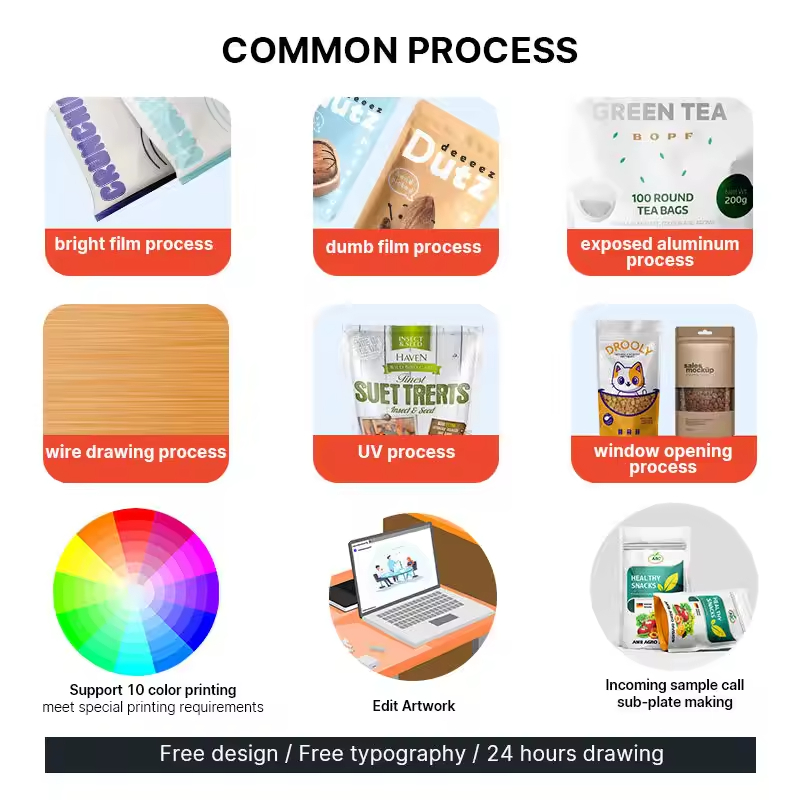
Lamination bonds two or more plastic films (or other substrates) together to create a composite material with superior properties than any single layer.
Primary Reasons for Lamination:
- Barrier enhancement (oxygen, moisture, light)
- Strength improvement (puncture resistance, durability)
- Print protection (trapping print between layers)
- Functional layer addition (sealants, barriers, tie layers)
- Cost optimization (expensive materials only where needed)
- Aesthetic enhancement (matte/gloss combinations, textures)
2. COMMON LAMINATION STRUCTURES
Typical Constructions:
| Layer Type | Common Materials | Thickness Range | Function |
|---|---|---|---|
| Outer Layer | PET, BOPP, PA, Paper | 12-25μm | Graphics, abrasion resistance |
| Barrier Layer | Aluminum foil, Metallized film, EVOH, PVDC | 6-12μm | Oxygen/moisture barrier |
| Adhesive Layer | Polyurethane, acrylic, PE | 2-5μm | Bonding layers together |
| Seal Layer | LDPE, LLDPE, CPP, ionomers | 40-100μm | Heat sealing, food contact |
Common Bag Constructions:
- PET/Adhesive/LDPE – Retail bags with high-quality print
- BOPP/Met/PE – Snack bags with moisture barrier
- Paper/PE/Aluminum foil/PE – Aseptic liquid packaging
- PET/SiOx/PE – Clear high-barrier bags
- PA/EVOH/PE – Vacuum bags for meats/cheese
3. LAMINATION PROCESSES
A. DRY BOND LAMINATION
Most common method for plastic-to-plastic films
Process Steps:
- Adhesive Application: Solvent-based or solvent-free adhesive applied to first substrate
- Drying: Solvent evaporated in oven (60-100°C, 20-40m length)
- Lamination: Second substrate nipped to adhesive-coated film
- Curing: Laminated roll aged 24-72 hours for full bond strength
Key Parameters:
- Adhesive spread: 1.5-4.0 gsm (grams per square meter)
- Line speed: 150-400 m/min
- Dwell time: 24-72 hours curing
B. EXTRUSION LAMINATION
Plastic acts as both adhesive and functional layer
Process Steps:
- Primer Application (optional): Corona treatment or chemical primer
- Molten Polymer Extrusion: LDPE, PP extruded through flat die (280-320°C)
- Nipping: Extruded polymer sandwiched between substrates
- Chill Roll Cooling: Sets the polymer instantly
Advantages:
- No solvents, lower environmental impact
- Thicker adhesive layers possible (8-30 gsm)
- Can create stiff structures
C. WET BOND LAMINATION
For porous/non-porous combinations
Process:
- Water-based adhesive applied
- Immediate lamination while adhesive still wet
- Drying through porous substrate (typically paper)
Applications: Paper/foil, paper/plastic combinations
D. THERMAL LAMINATION
Using heat-activated adhesives
Methods:
- Calendering: Films passed through heated nip rollers
- Wax Lamination: For moisture resistance (candy wrappers)
- Powder Bonding: Adhesive powder activated by heat
4. ADHESIVE SYSTEMS
Polyurethane (PU) Adhesives
- Type: 2-component (polyol + isocyanate)
- Cure Mechanism: Chemical crosslinking
- Advantages: Excellent bond strength, chemical resistance
- Applications: Most flexible packaging laminations
Acrylic Adhesives
- Type: Water-based or solvent-based
- Cure Mechanism: Physical drying or crosslinking
- Advantages: Clarity, good for retort applications
- Applications: Transparent laminates, medical packaging
Solvent-Free Laminating Adhesives
- Types: 100% solids, moisture-cure, or 2-component
- Advantages: No VOCs, no drying ovens, lower energy
- Challenges: Higher viscosity, specialized application equipment
Adhesive Selection Criteria:
| Property | Test Method | Target Range |
|---|---|---|
| Bond Strength | Peel test (N/15mm) | 4-10 N/15mm |
| Heat Resistance | Heat seal test | No delamination at 120-150°C |
| Chemical Resistance | Oil/grease testing | No delamination after exposure |
| Clarity | Haze/gloss measurement | >85% transparency for clear films |